Finest Jars for Preparing and Keeping Homemade Yogurt
Selecting the right jars for creating and storing homemade yogurt is crucial for obtaining the best results. Different jar types and materials can substantially impact the fermentation process and overall quality of the yogurt. Glass mason jars are frequently favored for their durability and non-reactive properties. However, choosing the appropriate size and ensuring proper maintenance are also key aspects. Understanding these elements can lead to a more successful yogurt-making experience. What should one focus on when picking the ideal jars?
The Importance of Proper Jars for Homemade Yogurt
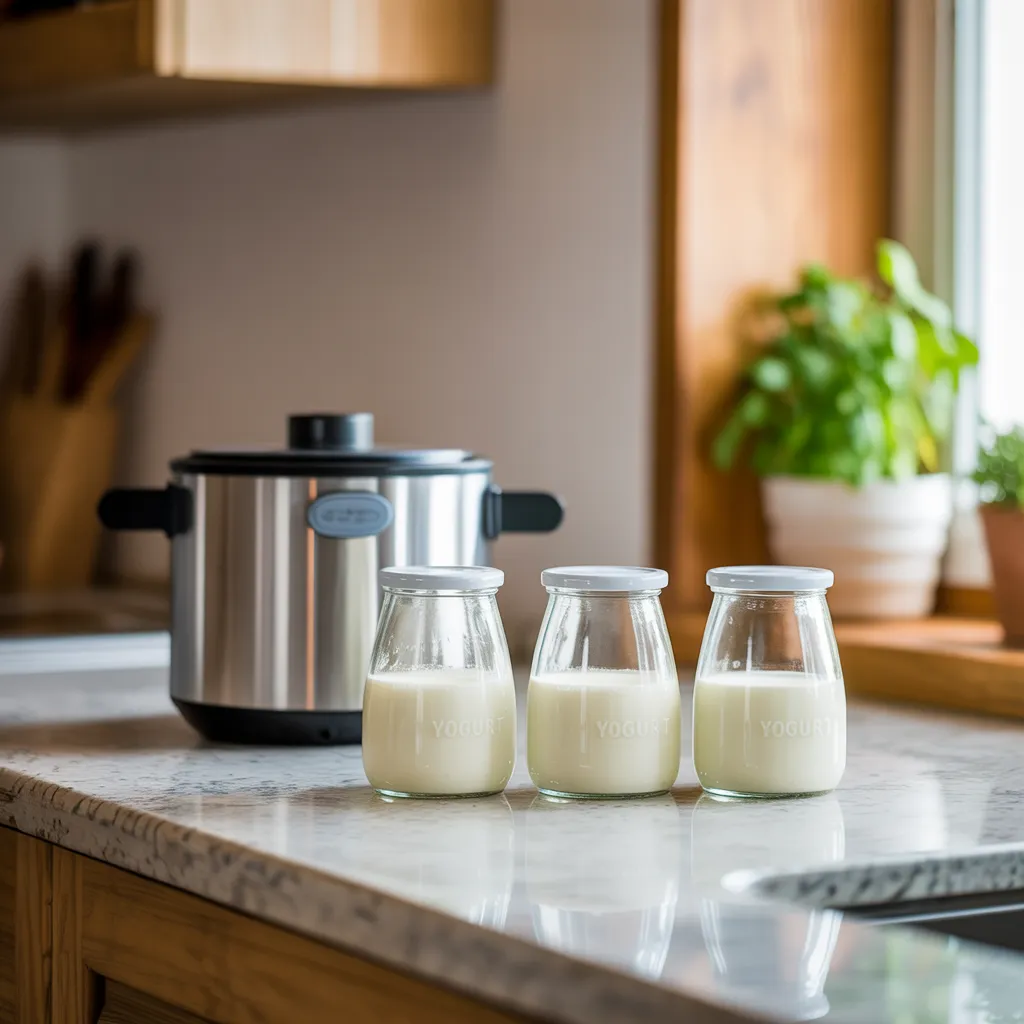
Selecting the right jars for homemade yogurt is vital for obtaining the best results. The jars used can substantially affect the fermentation process and the final texture of the yogurt. Proper materials, like glass or food-safe plastic, enable the even distribution of heat, vital for the growth of bacteria. See-through jars are advantageous, as they allow the maker to monitor the yogurt's consistency without opening them, which can interrupt the fermentation environment.
The size factor is another important aspect; jars ought to be appropriately sized to hold the desired yogurt batch while minimizing excessive air exposure. In addition, jars with tight-fitting lids assist in keeping a consistent temperature and protect the yogurt from contaminants. Overall, selecting the right jars not only guarantees a productive fermentation process but also boosts the quality and taste of the homemade yogurt, making it a worthwhile consideration for any yogurt enthusiast.
Key Jar Kinds for Creating and Storing Yogurt
For making and storing yogurt, two essential jar types stand out: plastic containers with lids and glass mason jars. Glass mason jars offer durability and an airtight seal, making them ideal for fermentation. Meanwhile, plastic containers deliver a lightweight and user-friendly choice, specifically for users who favor effortless handling and storage.
Glass Mason Jars
Glass mason jars represent the ideal selection for making and storing homemade yogurt. Their airtight seals guarantee perfect fermentation, enabling yogurt cultures to prosper without exposure to contaminants. The transparent design of these jars enables easy monitoring of the yogurt's consistency and fermentation progress. In addition, glass is non-reactive, which means it won't impart any unwanted flavors to the yogurt. These jars are offered in various sizes, accommodating different batch needs, from small servings to larger quantities. They are also effortless to sanitize and can be reused multiple times, making them sustainable. With their durability and practicality, glass mason jars are a reliable option for yogurt enthusiasts looking to produce delicious, homemade yogurt.
Plastic Containers Complete With Lids
Numerous yogurt makers favor plastic containers with lids for their practicality and simplicity. These containers are light, making them simple to manage and transport, which is notably useful for those who routinely make yogurt in batches. The airtight lids deliver an dependable seal that serves to maintain freshness and flavor during storage. Furthermore, plastic containers are generally more budget-friendly than glass alternatives, making them attainable for a range of budgets. They are generally dishwasher safe, simplifying clean-up after use. However, it is important to select high-quality, food-safe plastic to avert any chemical leaching during the yogurt-making process. In summary, plastic containers with lids are a practical option for both making and storing homemade yogurt.
Glass vs. Plastic: Choosing the Right Jars for Your Yogurt
What kind of jar really works best for keeping homemade yogurt: glass or plastic? The conversation frequently emphasizes longevity, protection, and flavor maintenance. Glass jars are chosen for their inert properties, which assists in keeping the quality and flavor of yogurt with no danger of leaching chemicals. In addition, glass is effortless to sanitize and can be utilized endlessly, which makes it an eco-conscious option.
Plastic containers, conversely, are light and more resistant to breaking, which might be more suitable for particular individuals. Nonetheless, particular kinds of plastic can soak up odors and flavors over time, potentially influencing the yogurt's taste. In addition, concerns about BPA and other toxic chemicals in plastics have led many to avoid them altogether.
Finally, glass jars are regarded as the ideal choice for those looking to ensure the superior quality and safety for their homemade yogurt.
Best Jar Sizes for Preparing Yogurt Batches
While choosing jar sizes for homemade yogurt, both quart and pint jars present unique advantages. Quart jars are well-suited for larger batches, delivering ample storage for those who enjoy yogurt often. Alternatively, pint jars are ideal for smaller portions, providing easy customization and faster consumption.
Quart Jar Benefits
Quart jars emerge as one of the most sensible selections for preparing homemade yogurt. Their capacity accommodates substantial batches, rendering them perfect for households or regular yogurt consumers. This capacity reduces the preparation frequency, providing convenience for packed schedules. Additionally, quart jars enable uniform fermentation because of their generous capacity, encouraging consistent results. The wide mouth design streamlines both filling and washing, which is critical for preserving cleanliness. Furthermore, quart jars are often compatible with different yogurt makers, improving their practicality. Their sturdy construction assures long-lasting performance, enabling long-term use without risk of breakage. These advantages make quart jars a preferred choice among those who make yogurt desiring efficiency and reliability in their yogurt preparation.
Pint Jar Benefits
Pint jars provide a versatile choice for those who favor smaller, more manageable portions of homemade yogurt. These vessels are excellent for individual servings, act now making them great for lunches or on-the-go snacks. Their size also allows for easy storage in different refrigerator layouts, maximizing space efficiency. Furthermore, pint jars support portion control, helping yogurt enthusiasts prevent overindulgence while still enjoying their favorite treat. They are also suitable for gifting homemade yogurt, providing an attractive presentation. With a diverse selection of lid options, pint jars can be firmly fastened, preserving freshness for longer periods. In summary, pint jars combine practicality and versatility, making them a popular choice for yogurt makers looking to simplify their yogurt preparation and storage process.
Best Practices for Cleaning and Maintaining Yogurt Jars
Proper cleaning and maintenance of yogurt jars is crucial for guaranteeing the purity and safety of homemade yogurt. To commence, it is essential to wash jars with soapy, warm water immediately after use to inhibit bacteria growth. A complete rinse with hot water should come next, guaranteeing all soap residue is eliminated. Additionally, using a bottle brush can help reach difficult areas where yogurt residue may cling.
For proper sterilization, jars should be boiled in water for ten minutes or positioned in a dishwasher on a high-temperature cycle. Additionally, it's crucial to routinely examine jars for cracks or chips, since these imperfections can shelter harmful bacteria. Following the cleaning process, jars must be thoroughly air-dried prior to storage. Stay away from abrasive cleaning products or scouring pads, since they can harm the jar's surface. By following these recommended practices, yogurt lovers can preserve the quality and lifespan of their yogurt jars.
Where to Locate the Premium Jars for Creating Homemade Yogurt
Finding the right jars for making homemade yogurt can substantially improve the fermentation process and overall quality of the yogurt. Multiple channels exist for acquiring suitable jars. Local kitchen supply stores typically carry a variety of glass jars that are ideal for yogurt fermentation. Additionally, many online retailers, such as Amazon or specialty home brewing websites, provide a wider selection, including jars with airtight lids that help preserve the necessary temperature and prevent contamination.
Repurposing glass jars from store-bought products is another eco-friendly option. Jars from pickles, sauces, or drinks can be transformed, provided they are completely cleaned and sterilized. Community forums and social media groups dedicated to yogurt making may also give advice and insights on where to source high-quality jars. By considering these choices, yogurt enthusiasts can ensure they find the ideal containers for their homemade creations.
Common Questions
Is Reusing Jars From Store-Bought Yogurt Acceptable?
Indeed, jars from store-bought yogurt can be repurposed. Nonetheless, they must be completely cleaned and sterilized to avoid contamination. Maintaining proper hygiene is crucial for safe storage and maintaining the quality of homemade yogurt.
How Long Will Yogurt Keep in Jars?
When stored in jars in the fridge, yogurt usually lasts one to three weeks. Still, its quality and freshness could decrease over time, so using it promptly is suggested for superior taste and texture.
Do Jars Need to Be Sterilized Before Use?
Indeed, sterilizing jars before use is necessary. This method destroys harmful microorganisms and provides a secure environment for fermenting yogurt. Proper sterilization enhances the quality and longevity of the homemade yogurt produced in those jars.
Are Mason Jars Suitable for Yogurt?
Absolutely, mason jars are appropriate for yogurt making. They are ideal for fermentation due to their airtight seals and heat-resistant properties. Plus, the variety of sizes available makes it easy to portion your homemade yogurt as desired.
Are Special Lids Required for Yogurt Jars?
Dedicated lids aren't strictly essential for yogurt jars, but tight-fitting lids help keep the right temperature and prevent contamination. Numerous individuals prefer silicone or plastic lids that allow some airflow during fermentation for the best outcomes.